Rubbish clearance near Kentish Town station what to expect
Posted on 16/07/2026
If you are searching for rubbish clearance near Kentish Town station, chances are you want the mess gone without the day turning into a faff. Maybe it is a flat clear-out, a post-renovation pile-up, or a few bulky items that simply will not fit into normal bins. Either way, knowing what to expect makes the whole process calmer, faster, and a lot less stressful.
In this guide, we will walk through how local rubbish clearance usually works around Kentish Town station, what happens on the day, what affects the price, and which mistakes are worth avoiding. You will also get a practical checklist, a comparison of clearance options, and a few down-to-earth tips that make the service smoother from start to finish. No fluff. Just the stuff people actually need to know.

Why Rubbish clearance near Kentish Town station what to expect Matters
Rubbish clearance in a busy part of north London is not quite the same as clearing waste from a quiet suburban street. Around Kentish Town station, there are practical things to think about: narrow roads, parking pressure, loading space, foot traffic, and the fact that people are often trying to get on with their day. That makes punctuality and clear communication especially important.
It matters because waste left too long can quickly become more than an eyesore. It can block access, attract pests, create safety issues, and make a property harder to use. If you are moving, renovating, managing a rental, or clearing after a tenant leaves, a tidy and reliable service can save you hours. Truth be told, it can save your sanity too.
There is also the question of confidence. A lot of people worry about hidden fees, overloading, or whether items will be handled properly. Fair enough. When a service is local and well organised, you should expect straightforward advice, a realistic arrival window, and a team that explains what can and cannot be taken before they start lifting anything.
That clarity is what turns a stressful job into a manageable one. And near a station, where schedules matter, that makes all the difference.
How Rubbish clearance near Kentish Town station what to expect Works
Most rubbish clearance jobs follow a similar pattern, even if the details vary depending on access, waste type, and volume. The process usually begins with an enquiry or a quote request. You explain what needs removing, where it is, and roughly how much there is. If the load is hard to judge from a description alone, photos are often helpful. A quick photo of a cellar, hallway, or garden pile can save a lot of back-and-forth.
Once booked, the team normally gives you an arrival window. In a busy area like Kentish Town, that window matters because parking and loading can be the tricky bit, not the lifting. On arrival, the crew will usually check the job, confirm the load size, and talk through anything unusual such as heavy items, access restrictions, or materials that need separate handling.
Then comes the removal itself. Items are carried out, loaded onto the vehicle, and sorted for disposal, reuse, or recycling where appropriate. You should expect the team to work efficiently but carefully, especially if they are moving through shared hallways, tight stairwells, or a building with neighbours close by. Nobody wants scuffed walls or a dragged bin bag scraping down the steps at 8am. Well, nobody sensible anyway.
At the end, the area should be left swept and reasonably tidy. Not showroom tidy, let's be fair, but clean enough that you are not left dealing with bits of dust, packaging, or broken material. If the job involves a larger clear-out, some providers may also separate recyclable items or flag anything that needs special treatment.
If you are looking for broader home clearance support beyond a simple one-off load, you may also find it useful to explore house clearance services in London for a fuller picture of what organised removal can include.
Key Benefits and Practical Advantages
The biggest benefit is obvious: the rubbish disappears. But the real value is in what that frees up. A clear space is easier to clean, easier to inspect, and easier to use. That matters whether you are preparing a property for sale, making room for new furniture, or simply tired of living around clutter.
Here are the practical advantages people usually notice first:
- Time saved: no multiple trips to a tip or recycling centre.
- Less physical strain: heavy lifting is handled by people used to doing it safely.
- Better organisation: useful items, recyclable materials, and true waste can be separated.
- Faster turnaround: one visit can often clear what would otherwise take a weekend.
- Reduced stress: especially helpful during moving, bereavement, or post-refurbishment clean-ups.
There is also a local advantage. A team that regularly works in and around Kentish Town tends to understand the rhythm of the area a bit better. They know that access can be tighter near station-adjacent streets and that keeping the job moving is not just about effort, but timing. That sounds minor until you are trying to fit a van, a staircase, and a commuter flow into the same morning.
In practical terms: the best rubbish clearance job is the one that feels almost boring. The booking is simple, the arrival is on time, the quote matches the work, and the mess leaves quietly. That is the standard worth aiming for.
Who This Is For and When It Makes Sense
Rubbish clearance near Kentish Town station can make sense for a wide range of people. You do not need a huge renovation or a dramatic hoard to justify it. Sometimes the job is just too awkward, too bulky, or too time-sensitive to handle alone.
Typical situations include:
- Flat clear-outs after a move, tenancy change, or refurbishment.
- Bulky item removal such as broken furniture, mattresses, wardrobes, or white goods.
- Garden and outdoor waste when the pile grows faster than your bin schedule.
- Office or shop clearance for redundant desks, packaging, shelving, or light fixtures.
- Estate or probate clearances where careful handling and discretion matter.
- End-of-tenancy refreshes where speed and tidiness are the priority.
It also makes sense if you have limited access. A third-floor flat, no lift, narrow staircase, and nowhere sensible to park? That is exactly the sort of situation where a professional crew earns its keep. Could you do it yourself? Probably. Would you enjoy it? That is another question entirely.
If your waste is mixed with items you want to keep, a clearance service can still help. The useful trick is to separate "definitely go", "possibly keep", and "not sure yet" before the team arrives. That saves time and reduces the chance of accidental disposal. A small thing, but a very useful one.
Step-by-Step Guidance
If you want to know what to expect, it helps to picture the service as a sequence rather than a single event. The better prepared you are, the smoother it goes. Simple as that.
1. Describe the job clearly
Start with the basics: what needs removing, where it is, how accessible it is, and whether any items are particularly heavy or awkward. If you are near Kentish Town station, mention parking or loading constraints if they exist. Even a rough note like "third-floor flat, no lift, narrow stairwell" is useful.
2. Share photos if possible
Photos help a lot. They give a clearer sense of volume, item type, and access. A tidy-looking pile can still be a large load, and a half-empty corner can hide more waste than expected. It happens all the time.
3. Confirm what is included
Before booking, check whether the quote includes labour, loading, disposal, recycling, parking considerations, and any minimum charge. Ask what happens if the load is larger than expected. The answer should be plain English, not evasive jargon.
4. Prepare the space
Move anything you want to keep out of the way. Clear a route to the front door or lift. If there are pets, let people know in advance. If there is a concierge or building access code, make sure it is ready. The smoother the route, the faster the clearance.
5. Let the team assess on arrival
On the day, the crew should inspect the waste and confirm the final scope before starting. That is normal. It protects both sides from confusion. If the price changes, it should be because the job genuinely changed, not because of vague surprises.
6. Watch the sort-and-load process
You do not need to hover, but it is sensible to stay available in case the team needs a quick decision about an item. For example, a cupboard may contain personal papers or a box may have mixed contents. A minute of checking can prevent a frustrating mistake.
7. Check the finish
Once the load is gone, look over the cleared area. Is it reasonably tidy? Are there any missed items? Is there any damage worth raising before the crew leaves? A quick final check is worth it. Nobody enjoys discovering a lonely chair leg behind the shed the next morning.
Expert Tips for Better Results
Good clearance work is often about small decisions made early. A little preparation goes a long way, especially in a neighbourhood where logistics can be fiddly.
- Sort before the team arrives. Keep valuables, documents, and items you may want to sell or donate separate from true waste.
- Be precise about access. If there is no parking nearby, say so upfront. If there is only street loading, mention it.
- Label special items. Paint tins, electricals, sharp materials, and anything potentially hazardous should be flagged clearly.
- Ask about recycling. A responsible provider should be able to explain how they handle mixed loads, reusable furniture, and recyclable material.
- Choose timing carefully. Early appointments can be easier around station-heavy areas where daytime traffic builds up quickly.
- Keep expectations realistic. Some clearances are quick. Others take longer because access is awkward or the waste is mixed. That is normal, not a red flag.
A small local tip: if your building shares a stairwell, warn neighbours if the removal is likely to be noisy. It is just good manners, and it avoids awkward looks later. You know how London flats can be - one heavy wardrobe and everyone suddenly becomes acoustically aware.
Also, if you are comparing providers, do not focus only on the lowest quote. The cheapest option can become expensive fast if it excludes labour, disposal, or extra loading time. Ask yourself: does the quote make sense for the actual job, or does it feel too neat to be true?

Common Mistakes to Avoid
There are a few mistakes that come up again and again. The good news is that all of them are avoidable.
- Underestimating the volume. A single room of waste can fill a van faster than expected.
- Not checking access. Tight stairs, locked gates, and parking limits can slow things down.
- Leaving mixed items unseparated. When you know what must stay and what can go, the job becomes much easier.
- Forgetting about restricted materials. Some items need special handling or separate disposal.
- Assuming every quote means the same thing. Two prices can look similar and still include very different things.
- Booking too late. If you need the space cleared before a move or inspection, leaving it until the last minute is asking for stress.
One particularly common issue is the "we'll sort it on the day" approach. That sounds flexible, but in practice it can create delays if the crew has to keep stopping for decisions. A bit of sorting at home saves time, and frankly, it makes everyone's life easier.
Another mistake is ignoring the weather. On a drizzly London morning, wet cardboard, slippery steps, and awkward bags can make a small job feel like a larger one. Not dramatic, just real. Plan for it where you can.
Tools, Resources and Recommendations
You do not need special equipment for most clearances, but a few simple tools can help you prepare properly before the team arrives.
| Tool or item | Why it helps | Best used for |
|---|---|---|
| Strong bin bags | Good for loose lightweight waste | General household rubbish, packaging, soft items |
| Labels or tape | Makes keep, donate, and remove piles clearer | Sorting before the collection |
| Gloves | Useful for sharp edges and dusty items | Moving and pre-sorting |
| Basic measuring tape | Helps estimate bulky item size | Furniture, appliances, awkward loads |
| Phone camera | Provides accurate photos for quoting | Quotations and access checks |
For internal reading on broader household removal topics, some readers also find it useful to compare rubbish clearance with full property clearance. If that applies, house clearance services in London can offer a helpful reference point for what a larger clearance can involve.
Practical recommendation? Take photos in natural light if you can. Morning light by a window or a quick shot before 5pm is usually better than a dark hallway image with half the pile hidden in shadow. It sounds obvious, but it really does improve estimates.
Law, Compliance, Standards, or Best Practice
For rubbish clearance, the most important compliance point is simple: waste should be handled responsibly by the people removing it. In the UK, waste carriers are expected to operate properly, and reputable services should be able to explain how waste is transferred, sorted, and disposed of. You do not need to become a compliance expert, but you should expect professionalism.
Good practice usually includes:
- Clear identification of waste types before collection.
- Separate handling of restricted items where required.
- Responsible disposal or recycling rather than indiscriminate dumping.
- Care around shared spaces such as hallways, lifts, and communal entrances.
- Transparent pricing so you understand what you are paying for.
If you are disposing of anything sharp, heavy, electrical, or potentially hazardous, say so early. That is not being fussy; it is basic best practice. Certain items need more care than ordinary household rubbish, and a trustworthy team should not shrug that off.
It is also sensible to keep records of what was removed if you are a landlord, letting agent, or business owner. A quick note or photo can be useful later, especially after an end-of-tenancy clearance or office clean-out. Small admin now can prevent a bigger conversation later. Nobody loves paperwork, but still.
Options, Methods, or Comparison Table
Not every rubbish job needs the same approach. The right method depends on how much waste you have, how fast it needs to go, and how awkward the access is. Here is a simple comparison to help you judge what fits.
| Option | Best for | Pros | Watch-outs |
|---|---|---|---|
| DIY tip run | Small loads and flexible schedules | Can be cheaper for very small amounts | Time-consuming, parking, lifting, multiple trips |
| Skip hire | Larger projects with space outside | Good for ongoing work and repeat filling | Needs space, permits may be needed, loading is on you |
| Man and van clearance | Mixed loads and fast removal | Convenient, labour included, usually quicker | Quote clarity matters, access affects cost |
| Full property clearance | Whole flats, houses, or business premises | Comprehensive and efficient for big jobs | May take planning and more detailed sorting |
For many people near Kentish Town station, a man-and-van style clearance is the sweet spot. It suits limited parking, busy roads, and the kind of mixed waste that would otherwise mean several trips. If the job is bigger, more involved, or tied to a move-out deadline, a fuller clearance service may make more sense.
The right choice is not always the cheapest one. It is the one that matches the scale of the task without creating hidden friction. That is the quiet truth of it.
Case Study or Real-World Example
Here is a realistic example. A one-bedroom flat near Kentish Town station has a broken sofa, an old mattress, a dismantled desk, several bags of mixed household clutter, and some packaging left over from a small refurb. The hallway is narrow, the lift is small, and parking is limited.
In a situation like that, the best approach is usually to take photos, confirm the route out of the flat, and agree in advance what is going. On the day, the crew would likely start with the largest item, check manoeuvring space, and then work through the lighter bags and smaller items. If a few objects are recyclable, they may be separated during loading rather than dumped into one mixed pile.
What does the customer usually notice? First, the speed. Second, the relief of seeing the room return to shape. Third, the fact that the final sweep matters more than they expected. The dust behind a wardrobe, the loose screws on the floor, the tiny bits of packaging under the radiator - all those little leftovers can make a space feel unfinished. A careful team takes care of that.
And honestly, that is often the point where people realise the service was worth it. Not because the waste vanished, but because the room became usable again. You can breathe a bit easier when the space stops staring back at you.
Practical Checklist
Use this checklist before your clearance appointment. It is simple, but it saves trouble.
- Confirm exactly what needs removing.
- Separate items you want to keep.
- Take photos of the waste and access routes.
- Check whether parking or loading is limited.
- Ask about heavy, sharp, electrical, or unusual items.
- Clarify what is included in the quote.
- Make sure doors, gates, or building access are ready.
- Warn anyone else using the space if needed.
- Put valuables, documents, and sentimental items aside.
- Leave a clear path for carrying items out safely.
- Ask how the waste will be handled after collection.
- Do a final check of the cleared area before the team leaves.
If you can tick most of those off, the job is usually straightforward. If not, that is fine too - just raise the missing details early. A five-minute conversation now can save a half-hour scramble later.
Conclusion
So, what should you expect from rubbish clearance near Kentish Town station? Clear communication, practical access planning, honest pricing, safe lifting, and responsible disposal. Ideally, you should also expect a team that understands the realities of working in a busy London spot where timing and access matter just as much as muscle.
The best experiences tend to feel organised rather than dramatic. You book, you prepare a little, the crew arrives, and the mess gets cleared without fuss. That is what good clearance looks like - calm, efficient, and respectful of your space.
Get a free quote today and see how much you can save.
When the clutter is gone and the room feels open again, even a small space can feel like a fresh start. And that, to be fair, is a pretty good feeling.



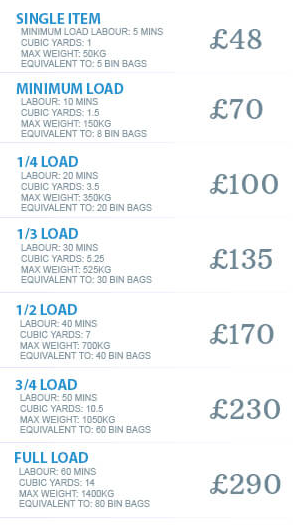
 Tipper Van - Rubbish Removal and Builders Waste Disposal Prices in Camden, NW1
 Luton Van - Rubbish Removal and Builders Waste Disposal Prices in Camden, NW1