Primrose Hill rubbish removal and skip clearance advice
Posted on 09/08/2026
Primrose Hill Rubbish Removal and Skip Clearance Advice for Smarter Clear-outs
If you are dealing with a cramped front step, a full flat after a move, or a pile of mixed waste that has quietly taken over the hallway, Primrose Hill rubbish removal and skip clearance advice can save you a lot of time, stress, and costly mistakes. The area has its own rhythm: narrow roads, tight parking, busy residential streets, and properties where access can be awkward even on a good day. That changes how you plan a clear-out.
This guide breaks down how rubbish removal and skip clearance usually work in Primrose Hill, when each option makes sense, what to watch out for, and how to stay practical rather than guessing your way through it. We will keep it straightforward, but not simplistic. The goal is to help you make a clean decision, not just get rid of stuff.
Why Primrose Hill rubbish removal and skip clearance advice Matters
Primrose Hill looks calm from the outside, but waste removal there can be trickier than people expect. The combination of residential streets, parked cars, flats above shops nearby, and limited loading space means that a careless approach can create delays fast. A skip dropped into the wrong place can be a headache. A van arriving without enough access planning can become a costly extra visit. And a pile of bagged waste left outside while you "sort it later" is exactly the kind of thing that attracts complaints.
Good advice matters because rubbish clearance is not just about lifting waste away. It is about choosing the right method for the layout, the volume, the timing, and the type of material. A small flat clearance after a tenancy, for example, needs a very different plan from a garden tidy-up or a builders' waste job after a refurbishment. That difference is where people either save money or waste it.
There is also the simple matter of peace of mind. In our experience, people usually want three things: less disruption, predictable cost, and a clean finish. Fair enough. Nobody wants to spend a Saturday arguing with a skip position or lifting broken furniture down three floors while the bins are already overflowing.
For a broader look at the range of services available, it can help to review the site's services overview before deciding how to handle the job.
How Primrose Hill rubbish removal and skip clearance advice Works
At a practical level, rubbish removal usually means a team collects your waste and takes it away there and then. Skip clearance means placing a skip or similar container for you to fill over time, then arranging collection once you are done. Both methods can work well, but they suit different situations.
A rubbish removal service is usually better when you want speed, help with heavy lifting, or a tidy result without the hassle of loading everything yourself. A skip is often useful if the work will take a few days, if several people are contributing waste, or if the waste is steady rather than all at once. Think of it like this: one option is a sprint, the other is a holding pen.
In a place like Primrose Hill, access often decides the winner. If a skip cannot be positioned safely or legally where you need it, collection-based rubbish removal may be the cleaner solution. On the other hand, if you are doing a small renovation and can keep the skip on private land, that can be a sensible middle ground. No drama, just logistics.
Some jobs also sit in the middle. For example, a homeowner clearing a loft may start with a few bulky items, then realise there is far more mixed waste than expected. That is where advice matters: what begins as "a few bags" can quickly turn into old boxes, broken shelving, carpet offcuts, and a surprising number of mystery cables.
If the job involves building materials or post-refurb waste, it is worth understanding dedicated options such as builders' waste clearance and how they differ from general rubbish collection.
Key Benefits and Practical Advantages
The right waste solution does more than remove clutter. It can reduce disruption, protect access, and help you avoid paying for the wrong size or service. Here are the main benefits people tend to care about:
- Faster turnaround: useful when you need the space back the same day or within a tight move-out window.
- Less manual lifting: especially helpful for furniture, appliances, and awkward bulky items.
- Better space planning: useful in streets where a skip may create more trouble than it solves.
- Cleaner finish: a properly managed clear-out leaves the area ready for use sooner.
- Better control over waste streams: making it easier to separate recyclable items, general waste, and specialist material.
There is also a less obvious benefit: decision clarity. Once you understand the difference between removal and skip hire, you can plan around your actual needs rather than the default option your mate used once. That sounds obvious, but plenty of people choose badly because they are rushing.
If sustainability is on your mind, it is worth looking at how waste is handled after collection. A provider with a sensible recycling approach can make a real difference, especially for mixed loads that contain wood, metal, cardboard, and reusable items. For more on that angle, see the company's recycling and sustainability guidance.
Who This Is For and When It Makes Sense
Primrose Hill rubbish removal and skip clearance advice is useful for a fairly wide group of people, but the reasons vary. It is not only for major renovations. Often, the smaller jobs create the most friction.
Homeowners and renters
If you are moving house, decluttering, replacing furniture, or clearing a flat after a tenancy, rubbish removal is often the easier route. It reduces the need to lift everything to street level yourself, which is no small thing if you live up a narrow staircase or in a top-floor conversion.
Landlords and letting agents
End-of-tenancy clearances often involve a mix of furniture, bags, and leftover household waste. A quick removal service is usually more efficient than arranging a skip, especially if access is limited and time is tight.
Tradespeople and refurb teams
Builders, decorators, and fit-out teams often need something more structured. A skip can be useful when waste is produced over several days, but only if the placement, permit needs, and loading pattern make sense. For more targeted support, the dedicated house clearance, office clearance, and garden waste removal pages can help you match the job to the right service type.
People with one-off bulky items
Maybe it is a sofa that will not fit in the lift, a mattress that has been sitting in the spare room too long, or a garage clearance that has turned into an archaeological dig. This is where rubbish collection can be far easier than trying to force a skip into a tight space for a single load.
Not sure what your situation counts as? That is normal. If you want to speak to someone directly about the right option, you can use the contact page when you are ready.
Step-by-Step Guidance
If you want to avoid wasted money and avoidable delays, work through the job in order rather than jumping straight to booking the first thing you see.
- Identify the waste type. Is it general household rubbish, furniture, garden waste, builders' waste, or a mixed load? This matters more than most people think.
- Estimate volume honestly. A "few bags" can become ten bags before you know it. Be realistic, not optimistic.
- Check access. Measure doorways, stairs, lift size, parking space, and where a van or skip could actually sit without causing problems.
- Decide how fast it needs to go. Same-day clearance usually suits removal. Multi-day self-loading often suits a skip.
- Think about loading effort. If you can safely carry waste to a collection point, a skip may work. If not, removal is often better value.
- Consider permission and placement. On-street skips, loading restrictions, and building rules can all affect the plan.
- Ask about what is included. Lifting, labour, disposal, and sorting should be clear before you agree anything.
- Prepare the waste before arrival. A tidy, separated pile is quicker to remove and usually less stressful all round.
A small, practical example: if you are clearing an attic on a rainy Tuesday and the staircase is narrow, getting everything bagged and staged by room can save a lot of time. It sounds boring. It is boring. But it works.
Expert Tips for Better Results
Here is the part people tend to skip, then regret later.
Tip one: sort reusable items separately. Even if you are not donating them, separating good-condition furniture from broken waste makes the load easier to assess and often easier to handle.
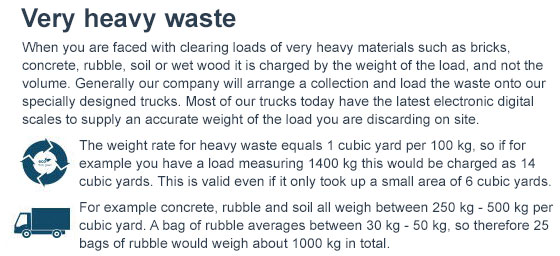
Tip two: do not overload bags. Heavy bags split at the worst time, usually on stairs, and then everything takes longer. Loose rubble in a flimsy bag is a classic mistake.
Tip three: keep soft furnishings apart from sharp, dusty, or wet waste. It sounds simple, but mixed loads can become messy fast.
Tip four: if you are debating a skip, picture the street in real life, not on paper. Will the placement block neighbours, delivery access, or bins? If the answer is yes, rethink it now rather than after the skip arrives.
Tip five: choose the service that suits the waste pattern, not the one that sounds cheapest upfront. A cheap skip can become expensive if you need extra time, extra capacity, or an awkward relocation. Likewise, a collection job that is too small for the load may mean extra trips. Bit of a false economy.
For added peace of mind around lifting, carrying, and site safety, review the insurance and safety information before booking any clearance work.

Common Mistakes to Avoid
Most rubbish removal problems are preventable. The trouble is, they usually look minor right up until collection day.
- Underestimating volume: the most common one. People see a small pile and forget what is hidden behind it.
- Choosing a skip without access planning: a skip is not useful if it cannot be placed safely or legally.
- Mixing restricted or special waste: some items need separate handling, so do not assume everything can go in together.
- Leaving sorting until the last minute: that creates delays and makes it harder to see what you actually have.
- Ignoring estate or building rules: particularly relevant for flats, managed properties, and shared access roads.
- Assuming the cheapest price is best value: the final bill matters more than the headline number.
A quieter mistake, but one that causes stress, is failing to plan for the aftermath. If the waste is gone but the room is still full of dust, packaging, or loose debris, the job does not feel finished. You want the space to feel usable again, not half-done.
Tools, Resources and Recommendations
You do not need much in the way of equipment, but a few simple tools make the job easier and safer.
- Heavy-duty bags: for light mixed waste, but only if you avoid overfilling them.
- Gloves: useful for cardboard, splinters, broken fittings, and dusty loft work.
- Mask: worth considering for lofts, garages, or older stockrooms where dust hangs in the air.
- Trolley or sack truck: helpful if you are moving medium-weight items a short distance.
- Measuring tape: surprisingly useful for checking access before deciding on a skip or collection.
- Marker pens and labels: good for separating keep, donate, recycle, and dispose piles.
On the planning side, the most useful resources are usually the service pages that match your job type. A bulky sofa clearance is different from a garage sort-out. A post-refurb builders' load is different again. If you are dealing with large household items, the furniture disposal and junk removal pages are worth a look. For plain mixed waste, the rubbish clearance and rubbish collection pages are more directly relevant.
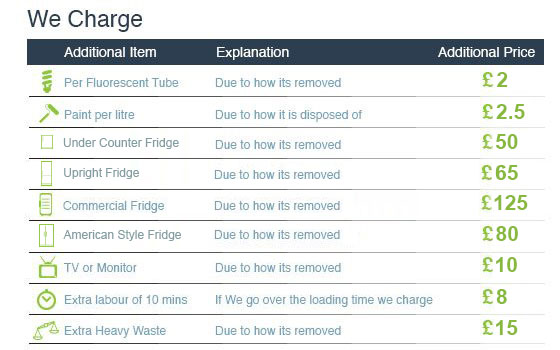
If you are comparing prices or trying to understand what affects a quote, the pricing and quotes page is a practical place to start.
Law, Compliance, Standards, or Best Practice
Waste disposal in the UK comes with duties of care and sensible handling expectations. You do not need to become a legal specialist, but you should know the basics. If waste leaves your property, it should go to a legitimate handler, and the person arranging removal should be satisfied that the waste is being managed properly. That is especially important if you are a landlord, business owner, or contractor. To be fair, it is also just basic good practice for anyone.
For skips, placement can matter as much as disposal. Some locations may require extra permissions if a skip goes on a public road or affects access. Local parking, access restrictions, and property rules all need checking in advance. In a built-up area like Primrose Hill, skipping that step can create unnecessary friction with neighbours or building managers.
There is also a safety angle. Heavy lifting, sharp edges, broken glass, and unstable piles are all common clearance risks. Good operators plan the job so that waste is removed safely, not just quickly. That means sensible loading, the right equipment, and a realistic view of what can be moved through the property.
Best practice is simple: keep waste separated where possible, give accurate details upfront, and use a provider that is clear about what they can and cannot take. Transparency usually saves time later. Fancy idea, really, just not flashy.
Options, Methods, or Comparison Table
If you are unsure whether to book rubbish removal or a skip, the table below gives a quick, practical comparison.
| Option | Best for | Main advantage | Possible drawback |
|---|---|---|---|
| Rubbish removal | One-off clear-outs, bulky items, tight access, same-day needs | Fast, labour included, less manual effort | Less suitable for ongoing waste over several days |
| Skip hire | Renovations, phased clearances, multiple contributors, steady waste | Convenient for gradual filling | Needs space, placement planning, and possible permit considerations |
| Mixed approach | Jobs that evolve or start small and grow | Flexible and adaptable | Needs clear planning so costs do not creep |
A mixed approach is often overlooked. For instance, a homeowner might clear bulky furniture via removal, then use a smaller container or follow-up collection for leftover packaging and light debris. That can be a smart compromise if the job changes as you go.
Case Study or Real-World Example
Here is a realistic Primrose Hill scenario. A couple moving out of a flat discovered, a week before handover, that the spare room had become a home for old shelving, a broken desk, two chairs, a bag of curtain offcuts, and a few boxes of miscellaneous bits they had mentally filed under "later". Later had arrived.
At first, they considered a skip. But the street was narrow, parking was tight, and the building had awkward access. A skip would have meant more coordination than they wanted, and not much room for error. They went with rubbish removal instead, splitting the load into furniture, general waste, and a small bag of items to keep.
The important part was not just the collection itself. It was the planning: measuring the stairwell, staging the items by category, and making sure the team could get in and out without blocking neighbours. The whole job felt calmer because the decision matched the property, not the other way around.
That is usually the lesson, really. The right method is the one that fits your space, your timing, and your tolerance for hassle.
Practical Checklist
Before you book anything, run through this quick list. It saves surprises.
- Identify what needs removing.
- Separate furniture, general waste, recyclables, and any awkward items.
- Estimate the volume honestly.
- Check access routes, stairs, lifts, and parking.
- Decide whether speed or storage is the priority.
- Confirm whether you need a skip, removal, or a mixed approach.
- Ask what is included in the price.
- Check building rules or property management restrictions.
- Prepare the waste so it is easy to collect.
- Make a backup plan if the volume turns out larger than expected.
Expert summary: if access is tight and time matters, removal is often the better fit; if the job will unfold over several days and space is available, a skip can be a useful choice. The best answer is the one that fits the property, not the other way around.
Conclusion
Primrose Hill rubbish removal and skip clearance advice comes down to one thing: choosing the simplest method that genuinely fits your situation. That may sound plain, but plain is often what saves you money and stress. When you match the waste type, access, and timing properly, the whole job gets easier. Less lifting, less waiting around, fewer awkward conversations with neighbours. Nice, really.
If you are planning a clear-out soon, take a moment to compare your options, measure the space, and think about the final outcome you want. A tidy, workable plan beats a rushed one every time.
Get a free quote today and see how much you can save.


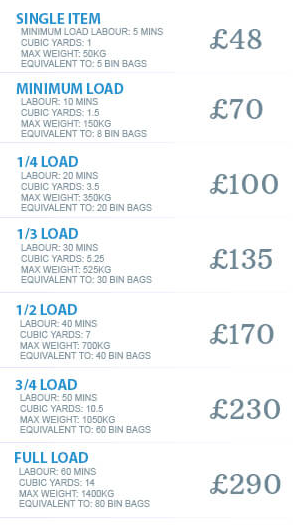
 Tipper Van - Rubbish Removal and Builders Waste Disposal Prices in Camden, NW1
 Luton Van - Rubbish Removal and Builders Waste Disposal Prices in Camden, NW1