NW1 flat rubbish removal guide for Camden Town residents
Posted on 27/08/2026

If you live in a Camden Town flat, you already know the drill: narrow stairs, awkward corners, no obvious place to stack old furniture, and that constant question of what to do with a growing pile of junk before it becomes a headache. This NW1 flat rubbish removal guide for Camden Town residents is here to make the whole process feel less messy, less stressful, and a lot more manageable.
Whether you are clearing a one-bed near the station, dealing with post-move leftovers, or finally tackling the box mountain that has been quietly breeding in the hallway, the key is to plan the removal properly. Done well, it saves time, protects your building, and avoids the sort of last-minute rush that everyone regrets by 6pm on a wet weekday.
Below, you will find a practical, locally relevant breakdown of how flat rubbish removal works in NW1, what to check before you book, and how to choose the right approach for your building and budget.
- Why it matters
- How flat rubbish removal works
- Key benefits and practical advantages
- Who this is for and when it makes sense
- Step-by-step guidance
- Expert tips for better results
- Common mistakes to avoid
- Tools, resources and recommendations
- Law, compliance, standards, or best practice
- Options, methods, or comparison table
- Case study or real-world example
- Practical checklist
- Conclusion
- Frequently asked questions
Why NW1 flat rubbish removal guide for Camden Town residents Matters
Flat clearance in Camden Town is rarely as simple as "put it outside and it disappears". That might work in a fantasy version of London, but not in a real NW1 block with shared access, limited storage, busy roads, and neighbours who are, quite fairly, not thrilled by a pile of broken wardrobe panels in the stairwell.
Good rubbish removal matters because flats create different problems from houses. There is less room to sort waste, less tolerance for noise and disruption, and more chance that a small issue becomes a building-wide one. A missed deadline can mean clutter in the hallway. A poor lifting plan can damage walls or lift landings. And if the rubbish includes a sofa, mattress, old appliances, or renovation debris, you may need a more structured approach than a single council-style collection.
For Camden Town residents, this is especially relevant because flat living here often means shared entrances, tight front steps, controlled parking, and time windows that are not especially generous. In other words, you need to think one step ahead. Not three. Just one. That already helps.
It also matters from a trust and safety point of view. A tidy, planned clearance reduces tripping hazards, makes lifting safer, and helps you avoid dumping mistakes or fly-tipping risks. If you are comparing options, it may be worth reviewing the wider services overview so you can match the job to the right type of removal rather than guessing.
How NW1 flat rubbish removal guide for Camden Town residents Works
At a practical level, flat rubbish removal is about three things: identifying what needs to go, making it accessible, and choosing the right removal method. That is the simple version. The real version depends on how much you have, where you live in the building, and how easy it is to move items out safely.
Most jobs start with a short assessment. You describe the items, the floor level, access conditions, and whether the rubbish is mixed waste, bulky furniture, or bagged household clutter. From there, the removal plan is usually shaped around the volume and the lifting conditions. A ground-floor flat with an easy kerbside load is very different from a top-floor conversion with a tight spiral staircase and no lift. Very different.
In flat settings, the removal team may need to:
- protect walls, bannisters, and communal flooring
- carry items through narrow hallways or shared entrances
- sort reusable items from general rubbish
- handle bulky furniture or awkward objects in sections
- load quickly to minimise disruption for neighbours
If you are dealing with furniture, it can be helpful to think specifically about furniture disposal in Camden, because sofas, beds, wardrobes, and white goods often need more planning than general bagged waste.
Some residents prefer a full-house or full-flat clearance style service, especially after a move, letting change, or refurbishment. Others only need a smaller, targeted collection. If you are unsure which route fits, the broader rubbish clearance Camden option is often the simplest starting point for comparing what is possible.
Key Benefits and Practical Advantages
The biggest benefit is obvious: you get your space back. But the real value of a well-run flat clearance goes beyond that. A good removal process reduces friction at every stage, from booking to loading to final sweep-up. And in a flat, friction is what causes those little problems that turn into annoyances for everyone.
Here are the practical advantages residents usually notice:
- Less stress during moves - When the odd items and leftovers are cleared in one go, you can focus on keys, furniture, and all the other moving-day chaos.
- Safer hallways and entrances - No loose boxes, broken chairs, or sharp bits waiting by the door.
- Better use of tight spaces - NW1 flats often do not have spare rooms or generous storage. Clearing waste makes the whole home feel bigger.
- Cleaner handover to landlords or buyers - Particularly useful if you are leaving a rental or preparing a property for sale. If you are in the middle of that wider process, a local guide such as the Camden property buying guide can also help you think through the practical side of property ownership in the area.
- Less risk of neighbour complaints - Simple but true. Nobody enjoys rubbish sitting in a shared corridor for days.
- More responsible disposal - A structured removal process makes it easier to sort items for recycling, donation, or proper disposal.
There is also a mental benefit. A flat full of clutter can feel oddly heavy, even if the rubbish is only in one corner. Once it goes, the room changes. The air feels lighter, the floor looks wider, and you stop side-stepping the same bag every morning. Simple, but powerful.
If sustainability matters to you, it is worth checking a provider's approach to reuse and recycling. Camden residents often prefer services that aim to reduce landfill use where practical, and that is a fair expectation. For more detail, see the site's recycling and sustainability information.
Who This Is For and When It Makes Sense
This guide is for anyone living in an NW1 flat who has more rubbish than they can sensibly handle alone. That includes tenants, homeowners, landlords, letting agents, and even people in shared homes where no one is quite sure whose broken desk it is. You know the type.
It makes sense when you are:
- moving in or moving out of a flat
- clearing after a tenancy ends
- replacing furniture or appliances
- dealing with loft, balcony, or storage cupboard overflow
- clearing renovation or DIY waste from a small flat refurb
- preparing a property for letting or sale
- handling an inheritance or a long-delayed clear-out
It is also a sensible choice if your building access makes self-transport difficult. Camden Town flats are often in older buildings, and older buildings tend to come with narrower staircases, shared landings, and nowhere convenient to park a large van for ages. That is where planning matters more than muscle.
If the clear-out is connected with a bigger property change, these local reads may be useful background: is Camden an ideal place to reside and a sensible Camden property buying guide. Different topic, yes, but the same local reality: Camden homes are rewarding, and occasionally a bit demanding.
Step-by-Step Guidance
Here is the part most people want: what to actually do. The easiest way to think about flat rubbish removal is as a short sequence, not one giant task. Tackle it in order and the job becomes much more manageable.
- Sort the waste into categories. Separate general rubbish, furniture, electrical items, recyclables, and anything that needs special handling. You do not need museum-level precision, but a rough sort helps.
- Identify bulky or awkward items. Wardrobes, mattresses, bookcases, bed frames, radiators, broken shelving, and white goods usually need more planning.
- Check access. Note whether you have a lift, how wide the stairwell is, if there are low ceilings, and whether parking is likely to be a problem.
- Clear a route. Move loose items away from the path so the removal team can work safely. Even a small corridor can become a hazard if it is cluttered.
- Decide what you want removed. Be specific. "Everything in the spare room" is useful. "A bit of junk" is less helpful, though everyone says it at first.
- Request a quote with the right details. Mention floor level, item type, and any access constraints. That reduces surprises later.
- Prepare the flat on the day. Bag small waste, label anything that stays, and keep pets or children clear of the work area.
- Do a final sweep. Check cupboards, under beds, balcony corners, and behind doors. The sneaky items always hide in the last place you look. Naturally.
For bigger clear-outs, especially if builders' waste is involved, you may need a more specialised route. A job involving plasterboard offcuts, tiles, timber, or packaging may be better suited to builders waste clearance in Camden rather than a standard household rubbish collection.
And if your flat clear-out is part of a more general waste management plan, it can be worth comparing it with waste removal in Camden or rubbish collection Camden depending on the volume and access.
Expert Tips for Better Results
A few small decisions can make a big difference. Honestly, this is where most people either save themselves a lot of hassle or accidentally create one. A little prep goes a long way.
Useful tips from real-world flat clearances:
- Measure the awkward bits - If a sofa has to turn at the stair landing, measure the narrowest point first. It saves guesswork.
- Disassemble what you can - Flat-pack furniture, bed frames, and shelving are often easier to remove in parts. Keep screws in a bag.
- Use sturdy bags, not overfilled ones - Overpacked bags split at the worst possible moment. Usually near the front door. Of course.
- Group items by room - It speeds up sorting and helps the removal team work methodically.
- Separate anything reusable - If a chair, lamp, or table can be used again, keep it out of the waste pile.
- Think about timing - Mid-morning is often calmer than late afternoon, especially in busier parts of Camden Town.
One practical detail people overlook: noisy jobs can affect neighbours more than they expect. If a bulky move is likely to be awkward, it is considerate to avoid very early starts or late evenings where possible. That small bit of courtesy often keeps everything smoother.
If you want a provider who thinks beyond the pickup itself, it is sensible to look at their broader standards too, including insurance and safety and payment and security. Not glamorous, but very important.
Common Mistakes to Avoid
Let's face it, most flat rubbish removal mistakes are completely avoidable. They happen because people underestimate access, overestimate what they can move quickly, or leave the sorting until the last minute. Classic.
- Leaving everything until the day of clearance - This is the fastest way to create stress and increase the chance of missed items.
- Not checking building rules - Some blocks have specific loading, parking, or communal access expectations. Ignoring them can create awkward conversations.
- Mixing all waste together - Recycling, furniture, electricals, and general junk should not be treated as one mystery pile.
- Underestimating bulky item size - A mattress is never as easy to move as you think it will be. Never.
- Forgetting about stairwells and corners - The item may fit in the room but not necessarily on the route out.
- Choosing the cheapest option without checking what is included - Low headline prices can be misleading if access, labour, or loading time is not clear.
A common Camden issue is parking and loading access. If your flat is on a busy street, a removal team may need a tighter arrival window or a clearer loading point. That is not a deal-breaker, just something to plan for early. The more precise you are, the better the result.
Tools, Resources and Recommendations
You do not need a van full of kit to manage a flat clearance, but a few basics help enormously. Think of it like packing for a practical move, not a military operation.
Helpful tools
- Strong rubble sacks or refuse sacks for loose household waste
- Marker pens and labels for separating keep, donate, and remove piles
- Gloves to protect your hands from dust, broken edges, and sharp bits
- Packing tape and boxes for small mixed items
- A tape measure for checking bulky items against door widths and stair turns
- Dust sheets or old blankets to protect floors during moving
Useful planning questions
- Can the item fit through the hallway without being damaged?
- Do any items need to be dismantled first?
- Is there a lift, and if so, is it large enough?
- Will parking or loading restrictions affect the collection time?
- Are any items electrical, hazardous, or especially heavy?
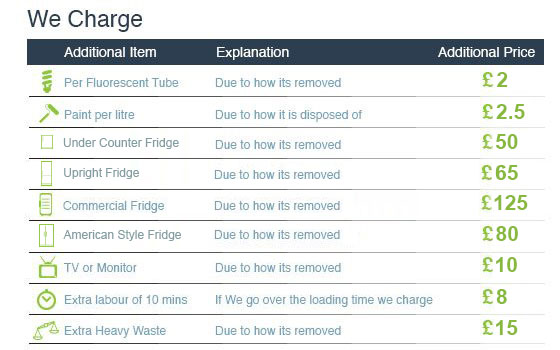
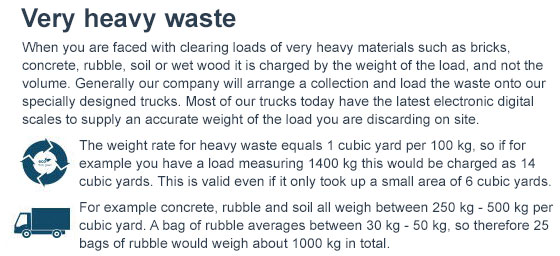
For residents comparing services, a clear pricing page helps a lot. It is worth reviewing pricing and quotes so you know how estimates are usually presented and what information you should have ready.
If your clear-out is part of a bigger life change, you may also find it useful to browse the firm's wider local content, such as the Camden neighbourhood guide. It is not about rubbish removal directly, but it gives a useful sense of the local area and its everyday rhythm.
Law, Compliance, Standards, or Best Practice
Rubbish removal in a flat is not just about convenience. There is a basic duty to handle waste responsibly and to avoid creating nuisance or unsafe conditions for others. In the UK, that usually means using a responsible carrier, making sure waste is transferred appropriately, and not leaving items where they can become a hazard or be fly-tipped.
You do not need to become a compliance expert overnight. But a few best-practice points are worth keeping in mind:
- Do not leave waste in communal areas unless the building rules and collection plan clearly allow it.
- Keep routes clear so residents can use the stairs, entrance, and landings safely.
- Be cautious with electricals and heavy items so no one gets hurt during lifting.
- Use appropriate disposal routes for items that need special handling, such as appliances or materials from building works.
- Check provider policies on insurance, safety, payment, and terms before the job starts.
If you are comparing providers, their public policies can say a lot about how carefully they operate. That is why pages such as terms and conditions, privacy policy, and about us are worth a look. They are not thrilling reading, granted, but they do help you assess professionalism.
For residents who care about broader responsible practices, the site's modern slavery statement and accessibility statement can also be reassuring indicators of how seriously the business treats standards and inclusivity.
Options, Methods, or Comparison Table
There is no single "best" way to remove rubbish from a Camden Town flat. The right method depends on volume, access, timing, and the type of items you have. Here is a simple comparison to help you decide.
| Method | Best for | Pros | Limitations |
|---|---|---|---|
| Manual trips to the bin area | Very small amounts of bagged waste | Cheap, immediate, straightforward | Time-consuming, awkward for bulky items, not ideal for mixed waste |
| Skip hire | Large volumes, ongoing renovation waste | Useful for bigger projects, lets you load at your pace | Needs space, access, and planning; not always practical for tight NW1 streets |
| Same-day rubbish removal | Mixed household rubbish or bulky items | Fast, labour included, good for flats with access challenges | Usually depends on accurate description and availability |
| Specialist furniture or bulky item disposal | Sofas, beds, wardrobes, appliances | Better handling of awkward objects, less lifting for you | Not always necessary for small loads |
| Full flat clearance | Moves, end-of-tenancy clearances, deceased estates, major decluttering | Most comprehensive option, less stress, often fastest overall | May be more than you need if only clearing one room |
For many Camden flats, the most practical option is a labour-included clearance rather than trying to manage bags and bulky items yourself. If you have a garage, loft, or storage area attached to the property, those dedicated services may be useful too: garage clearance Camden and loft clearance Camden are both relevant when clutter has spread beyond the main rooms.
Case Study or Real-World Example
Imagine a second-floor flat in NW1 with a mix of broken shelving, an old mattress, four black sacks of general rubbish, and two small appliances that have been sitting in the kitchen corner for months. Nothing dramatic. Just the kind of clear-out that quietly nags at you every time you walk past it.
The resident starts by sorting items into groups: keep, recycle, remove. They dismantle the shelf unit, bag the loose waste properly, and measure the mattress route through the hallway. Then they check access at the front door, notice the stairwell turn is tight, and move a few shoes, umbrellas, and plant pots away from the path. Small stuff, but it helps.
On the day, the removal is quicker because there is a clear route and no confusion about what stays and what goes. The team can lift, load, and sweep through without stopping every two minutes to ask where the second bag of screws is. The flat ends up looking bigger immediately. The resident, quite understandably, says they should have done it months earlier.
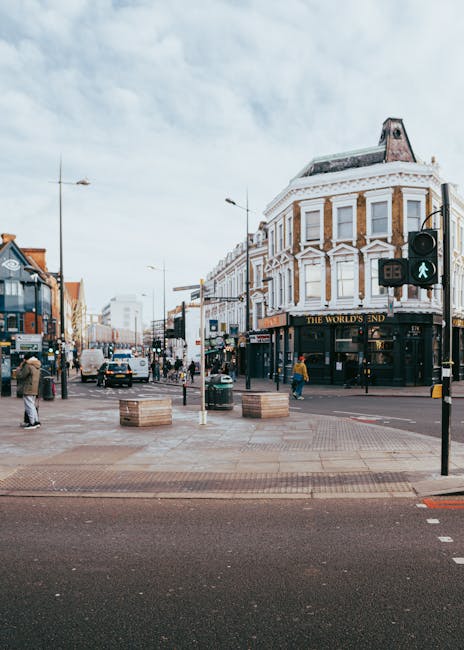
That sort of result is common. Not glamorous, but satisfying. A tidy flat changes how the whole place feels, especially in a neighbourhood as busy and visually active as Camden Town.
If your clear-out is tied to a rental handover or property move, the local market context can be helpful too. Related reading such as what to expect from rubbish clearance near Kentish Town Station can give you a broader sense of local access and timing realities.
Practical Checklist
Use this quick checklist before booking or starting the job. It is simple, but it catches most of the avoidable problems.
- List every item or waste pile you want removed
- Separate keep, donate, recycle, and rubbish
- Measure large furniture and tight access points
- Check whether the building has any access rules
- Confirm if there is a lift and whether it can be used
- Identify any electrical, heavy, or awkward items
- Clear the route through halls and doorways
- Take photos if you need a quote or want to avoid confusion
- Ask about insurance, safety, and payment before booking
- Prepare the flat so collection can happen in one smooth visit
Expert summary: If you live in an NW1 flat, the smartest rubbish removal approach is the one that respects access, saves time, and avoids clutter spreading into communal areas. That usually means a little planning up front, a clear description of the job, and a removal method matched to the volume you actually have, not the volume you hope you have.
Conclusion
Flat rubbish removal in Camden Town does not need to be complicated, but it does need to be handled properly. Once you understand the access issues, the likely waste types, and the best disposal route, the job becomes much easier to manage. And that is really the point of this guide: to help you act with a bit more confidence and a lot less guesswork.
Whether you are clearing a single room, emptying a flat before a move, or dealing with a larger end-of-tenancy job, the right approach will protect your building, reduce stress, and make the space usable again sooner. Tiny win, big relief.
If you are ready to take the next step, use the guide above to prepare your items, check access, and compare the most suitable removal option for your flat. A few minutes of planning now can save a very long afternoon later.
Get a free quote today and see how much you can save.



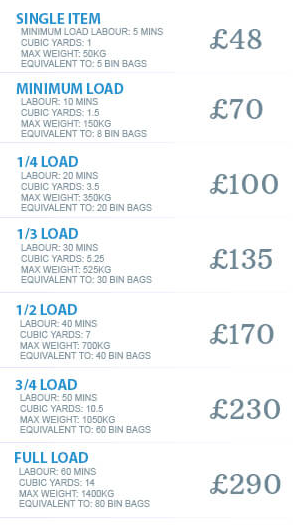
 Tipper Van - Rubbish Removal and Builders Waste Disposal Prices in Camden, NW1
 Luton Van - Rubbish Removal and Builders Waste Disposal Prices in Camden, NW1