Camden Market rubbish removal guide for traders and stalls
Posted on 03/07/2026
If you trade at Camden Market, you already know the pace is different. One minute you are serving customers, the next you are dealing with cardboard boxes, broken packaging, food waste, display offcuts, and that awkward pile of "I'll move it later" rubbish behind the stall. This Camden Market rubbish removal guide for traders and stalls is here to make the whole process calmer, cleaner, and far less last-minute.
Good waste handling is not just about tidiness. It protects your pitch, keeps walkways clear, helps you avoid complaints, and saves time when the day gets busy. It can also make a proper difference to how your stall feels to shoppers. A neat space just works better. Let's face it, nobody wants to browse next to a pile of flattened boxes in the drizzle.
In the sections below, you will find a practical approach to daily rubbish handling, end-of-day clearance, sorting recyclable materials, choosing the right disposal method, and avoiding the mistakes that create extra hassle. If you need a wider overview of local waste services too, you may find the services overview useful.

Why Camden Market rubbish removal matters
At a busy market, waste builds up fast. A stall selling clothing, gifts, plants, books, vinyl, street food, or handmade goods can produce very different rubbish, but the same basic pressure applies: clear the waste quickly enough that it never starts running the stall for you.
When rubbish is left too long, a few things tend to happen. First, the stall looks less professional. Second, stock handling becomes awkward because you are constantly stepping around bags and boxes. Third, you invite problems with smells, pests, trip hazards, and unnecessary friction with nearby traders or site management. None of that is dramatic, but it adds up. By 4pm on a busy day, even a single overflowing sack can feel like a small disaster.
There is also a customer-experience angle. People shopping in Camden tend to notice atmosphere. They notice energy, yes, but they also notice clutter. A cleaner pitch tends to feel more deliberate and more trustworthy. That matters whether you are a long-standing trader or testing a new stall for the first time.
Waste removal matters even more during peak trading periods, when packaging mounts up quickly and there is less room to breathe. If you have ever tried to break down five large boxes while keeping an eye on customers, you will know the feeling. Bit chaotic, really.
For traders with frequent stock deliveries or changing displays, rubbish control is part of stock control. It is not an afterthought.
How Camden Market rubbish removal guide for traders and stalls works
The basics are simple, though the reality can be a bit more layered. Traders usually need a repeatable system for collecting, sorting, storing, and removing waste without interrupting sales or blocking access.
In practical terms, the process often looks like this:
- Separate waste at the source. Keep cardboard, soft plastics, food waste, general rubbish, and reusable packaging apart where possible.
- Contain it safely. Use suitable bags, crates, sacks, or bins so waste does not blow around or leak.
- Move it out of the trading area. Keep the stall front and customer path clean through the day.
- Arrange collection or disposal. Depending on volume, this may be a scheduled pickup, a one-off clearance, or a regular service.
- Reset the pitch. At the end of trading, make sure nothing has been left behind that could create a problem for the next day.
For some stalls, the main issue is lightweight packaging and display waste. For others, especially food-related traders, it is a mix of compostable waste, food-contaminated packaging, and high turnover of bins. Each type needs slightly different handling. A one-size-fits-all approach tends to break down quickly.
If your waste is heavier or more awkward than standard market rubbish, it may overlap with broader clearance needs. In those cases, some traders compare options such as rubbish clearance in Camden or rubbish collection in Camden depending on how often they need waste taken away.
One useful rule: the faster your waste can move from "messy" to "contained," the easier everything else becomes.
Key benefits and practical advantages
Good rubbish removal is not just a tidy-up task. It supports the whole trading day.
- Cleaner presentation: Your stall looks organised, which helps customers focus on what you are selling.
- Safer movement: Fewer boxes, sacks, and loose items means fewer trip risks for staff and visitors.
- Better use of space: On a crowded pitch, every square foot matters. Waste should never eat into selling space for long.
- Faster close-down: If rubbish is sorted as you go, packing up at the end of the day is much quicker.
- Less stress: A clear system reduces the "Where does this go?" scramble that always seems to happen right when you are busiest.
- Lower contamination risk: Sorting recyclables properly can prevent clean materials being mixed with dirty waste.
There is also a quiet reputational benefit. Traders who keep their pitch clean often appear more reliable and easier to work with. That may sound small, but in a market environment, small things are visible.
Another upside is consistency. Once you have a proper routine, you do not need to reinvent it every day. You just follow the same steps, and the stall feels easier to manage. Truth be told, that can be the difference between a smooth day and a day that feels permanently behind.
Who this is for and when it makes sense
This guide is for anyone operating a stall or trading unit where waste builds up during the day and needs clearing efficiently. That includes:
- food and drink traders
- clothing and accessories stalls
- gift and craft sellers
- record, book, and antique traders
- stallholders with frequent packaging waste
- temporary traders or pop-up sellers
- market traders with storage limitations
It also makes sense if you are dealing with seasonal stock changes. For example, a stall moving from summer stock to winter goods can suddenly end up with awkward packaging, broken display materials, and old promotional items. That is the point when a more structured removal plan starts paying off.
If your trading setup also involves a back-room, prep space, or office-style storage area, you may find the approach used for office clearance in Camden surprisingly relevant. The scale may be different, but the principles are similar: sort, contain, remove, reset.
It also makes sense for traders who are short on staff. If one person is serving customers, another handling stock, and a third person is nowhere near the bin at close-down time, waste can spiral quickly. A plan helps keep everyone on the same page.
Step-by-step guidance
Here is a practical method that works well for many market stalls. Nothing fancy. Just sensible steps that hold up on a busy day.
1. Start with a waste map
Look at what your stall actually produces. Cardboard? Food waste? Film wrap? Broken packaging straps? Old signage? Once you know the types, you can place the right containers in the right spots.
2. Put bins where waste is created
Do not make people walk across the stall to find somewhere to throw something away. If packaging is opened at the back, put the container there. If wrapping is removed at the front, put one nearby. Small change, big difference.
3. Flatten and compact where safe
Cardboard boxes take up far less room when broken down properly. Soft plastics should be compacted only if that does not create confusion over what is recyclable. Keep the process simple enough that everyone on the stall can follow it.
4. Keep food waste sealed
For food traders especially, waste should be contained in a way that reduces smell and prevents spillages. If you are working with warm food or damp materials, the margin for error is tiny.
5. Remove waste in short bursts
Do not wait until the stall looks like a storage cage. If possible, clear waste in quick intervals during quieter moments. That keeps the pitch manageable and avoids a dramatic end-of-day pile-up.
6. Separate reusable items from true waste
Some things are not rubbish, they are just not in the right place yet. Old signage, display racks, tubs, hooks, and packaging may be reusable, repairable, or suitable for another trader. It is worth checking before you throw them out.
7. Book the right removal option
Once waste is sorted, choose the method that fits your volume, timing, and access. Small regular loads are different from one-off clearances after a stock change.
8. Reset for tomorrow
The clean-up job is not finished until the pitch is ready for the next trading session. Leave the space tidy, stable, and easy to reopen. Future-you will be grateful. Probably.
Expert tips for better results
After enough market clear-ups, a few patterns become obvious.
Label containers clearly. If staff can tell at a glance where cardboard goes and where food waste goes, mistakes drop quickly. A marker pen and a bit of tape can save a surprising amount of time.
Keep one bag for "uncertain" items. Not everything fits neatly into a category during a hectic rush. Having a holding bag for later sorting is often better than making a rushed decision and contaminating a recycling stream.
Use lids or covers where practical. Windy weather around open-air markets can turn a neat pile into a mess very fast. Camden weather, as you know, has opinions of its own.
Train everyone the same way. If one team member sorts waste carefully and another just chucks everything into one sack, the system breaks. Keep the process simple enough for everyone to follow consistently.
Plan for peak hours. Many traders only realise they need extra clearance capacity once the stall is already overflowing. Better to build a routine around your busiest times, not your quietest ones.
Choose clarity over cleverness. Fancy sorting systems are great in theory. In real life, traders need a system that works while serving customers, answering questions, and dealing with stock. Simple wins.
If you want to see how a broader local clearance service is structured, the waste removal in Camden page is a useful reference point for understanding general collection and disposal support.

Common mistakes to avoid
Most waste problems at market stalls are not caused by one big failure. They come from a series of small shortcuts. That is the annoying part.
- Waiting too long to clear waste: A bag left "just for now" can block the whole working area by lunchtime.
- Mixing all waste together: This makes recycling harder and creates more sorting work later.
- Using the wrong container size: Too small and it overflows; too large and it becomes awkward to move.
- Ignoring food contamination: Greasy packaging can ruin recyclable materials.
- Leaving waste in the wrong place: Piles tucked behind a stall still count as clutter, and usually attract problems.
- Forgetting access constraints: On a busy market site, routes for removal may be tighter than expected.
Another common mistake is assuming that because the stall is small, the rubbish problem must also be small. Not always. A compact pitch can actually generate waste more quickly because there is nowhere for it to disappear into. You see it immediately.
And yes, the classic "I'll take it home later" approach. We have all met it. It sounds efficient until it turns into a boot full of boxes you never wanted in the first place.
Tools, resources and recommendations
You do not need a warehouse of equipment to keep a stall tidy. But a few sensible tools make a real difference.
- Heavy-duty sacks or liners: Better for mixed waste and awkward loads.
- Cardboard cutters or safety knives: Useful for flattening boxes neatly.
- Small lidded bins: Handy for food waste or items that need to stay contained.
- Reusable crates: Good for separating stock from rubbish during busy hours.
- Marker pens and labels: Cheap, practical, and surprisingly effective.
- Foldable trolley or sack truck: Helps move waste without multiple back-and-forth trips.
If you are dealing with bulky waste after a refit, display change, or stock refresh, you may be closer to a broader clearance job than standard market rubbish. In those cases, traders sometimes look at junk removal in Camden or even builders waste clearance in Camden where relevant materials are involved.
It can also help to keep a simple written note of what is generated each week. Not a full audit. Just a quick record. Over time, you will see patterns: more cardboard on delivery days, more food waste on weekends, more packaging during seasonal promotions. That is useful when planning collections or budgeting for disposal.
Law, compliance, standards, and best practice
Waste handling in the UK should always be approached carefully and responsibly. For traders, the key idea is straightforward: waste should be stored, sorted, and removed in a way that is safe, lawful, and appropriate for the type of material involved.
That means a few practical things. Waste should not block pathways. Hazardous or sharp items should be handled with extra care. Food waste needs attention to hygiene and odour. Recyclable materials should be kept as clean as practical. And if you are handing waste to a third party, it is sensible to choose a provider that operates professionally and communicates clearly about what they collect and how they handle it.
Market traders should also be aware that site operators, landlords, or market management may have their own waste rules. These can cover collection times, storage points, access routes, and what can or cannot be left on-site. Always follow the local setup first. That sounds obvious, but it gets missed more often than you might think.
Health and safety matters too. Loose rubbish can create slip or trip hazards, especially in wet weather. Sharp packaging edges, broken display pieces, and overloaded sacks are all small risks that become bigger when the market is busy. The sensible approach is simple: keep waste contained, move it safely, and do not let it sit where people walk.
For traders who want to strengthen their general safety approach, the insurance and safety page provides a helpful broader context for operating responsibly.
Options, methods, and comparison table
Different stalls need different disposal methods. The best choice depends on volume, frequency, access, and the kind of waste you create.
| Method | Best for | Strengths | Trade-offs |
|---|---|---|---|
| On-site segregated bins | Small to medium stalls with predictable waste | Simple, tidy, easy to train staff on | Needs regular emptying and discipline |
| Scheduled collection | Traders with repeat waste volumes | Reliable, less end-of-day stress | Requires planning around access and timing |
| One-off clearance | Refits, stock changes, seasonal clear-outs | Clears bulk waste quickly | Less efficient for daily, small-volume waste |
| Skip hire | Large volumes or bulky waste in accessible locations | Good capacity for heavy clear-outs | Space and access can be limiting in market settings |
| Manual bag-and-go removal | Very small stalls or occasional waste | Flexible and low setup | Can become messy or inefficient if volume grows |
In a market environment, the best setup is usually the simplest one that still matches your trading rhythm. A food stall with regular packaging and food waste will need something very different from a vintage clothing trader who mostly deals with boxes and paper wrap.
If you are weighing up disposal methods for a larger clean-up, skip hire in Camden can be worth comparing against collection-based options, especially where access and volume are the deciding factors.
Case study or real-world example
Here is a realistic example from a typical market-day setup.
A small stall selling handmade accessories arrives early with a stack of cardboard boxes, tissue wrap, product tags, and packing tape. By midday, they have also generated a bag of broken packaging, a few damaged display pieces, and some paper waste from customer orders. At first, everything sits in one corner behind the table. Nothing serious. Just "temporary."
By 2pm, though, the back area is cramped. Staff need to move sideways to get stock from crates. One customer almost trips over a loose box flap. Someone has to stop serving to flatten packaging. The stall still looks good from the front, but behind the scenes it is becoming awkward.
The trader then changes the routine: cardboard is flattened immediately, small waste goes into a lidded bin, reusable materials are separated into crates, and a designated collection point is set up away from the customer route. The difference is noticeable within one trading day. Less clutter. Less scrambling. Fewer interruptions.
That is the real value of a good rubbish removal system. It does not just clear waste. It protects the rhythm of the stall.
Practical checklist
Use this as a quick end-of-day or start-of-day reminder.
- Have you separated cardboard, food waste, and general rubbish?
- Are all bags tied, sealed, or contained properly?
- Is anything sharp, wet, or heavy stored safely?
- Have you flattened bulky packaging where appropriate?
- Is the stall front and customer route clear?
- Have reusable items been put aside rather than thrown away?
- Do staff know where each waste type goes?
- Is collection or removal booked for the right time?
- Have you checked the site's waste rules for the day?
- Is the pitch ready for tomorrow, not just tidy for now?
If you can tick most of those boxes, you are already ahead of the usual last-minute scramble. Small systems really do pay off.
Conclusion
A strong rubbish removal routine is one of the easiest ways for Camden Market traders and stallholders to protect their space, save time, and keep the customer experience sharp. It does not need to be complicated. What matters is consistency: sort waste early, contain it properly, remove it on time, and never let clutter become part of the stall.
In a busy market, tidy habits are not about perfection. They are about making room to work well. And honestly, once you get the system right, you will feel the difference almost immediately. The stall is calmer. The day is smoother. The end-of-shift clean-down stops feeling like a second job.
If you are planning a one-off clearance, a regular collection, or simply want to understand the most practical route for your stall, take the next step with a team that knows local waste handling well.
Get a free quote today and see how much you can save.



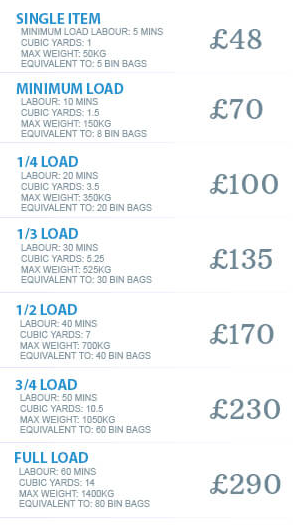
 Tipper Van - Rubbish Removal and Builders Waste Disposal Prices in Camden, NW1
 Luton Van - Rubbish Removal and Builders Waste Disposal Prices in Camden, NW1